Follow Us
 Sign up for Newsletter
 Sign up
 Member Account
 Your Cart (0)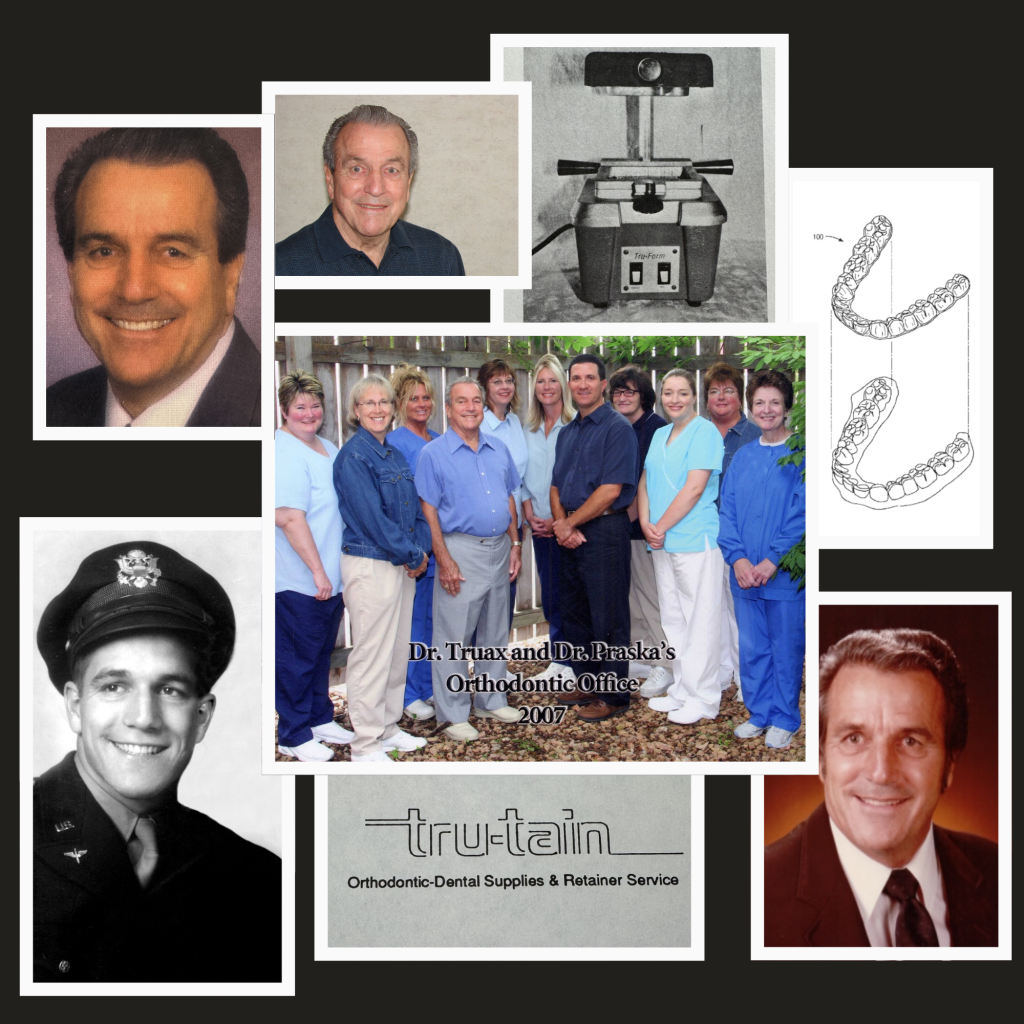
1925-1942 | Early Life
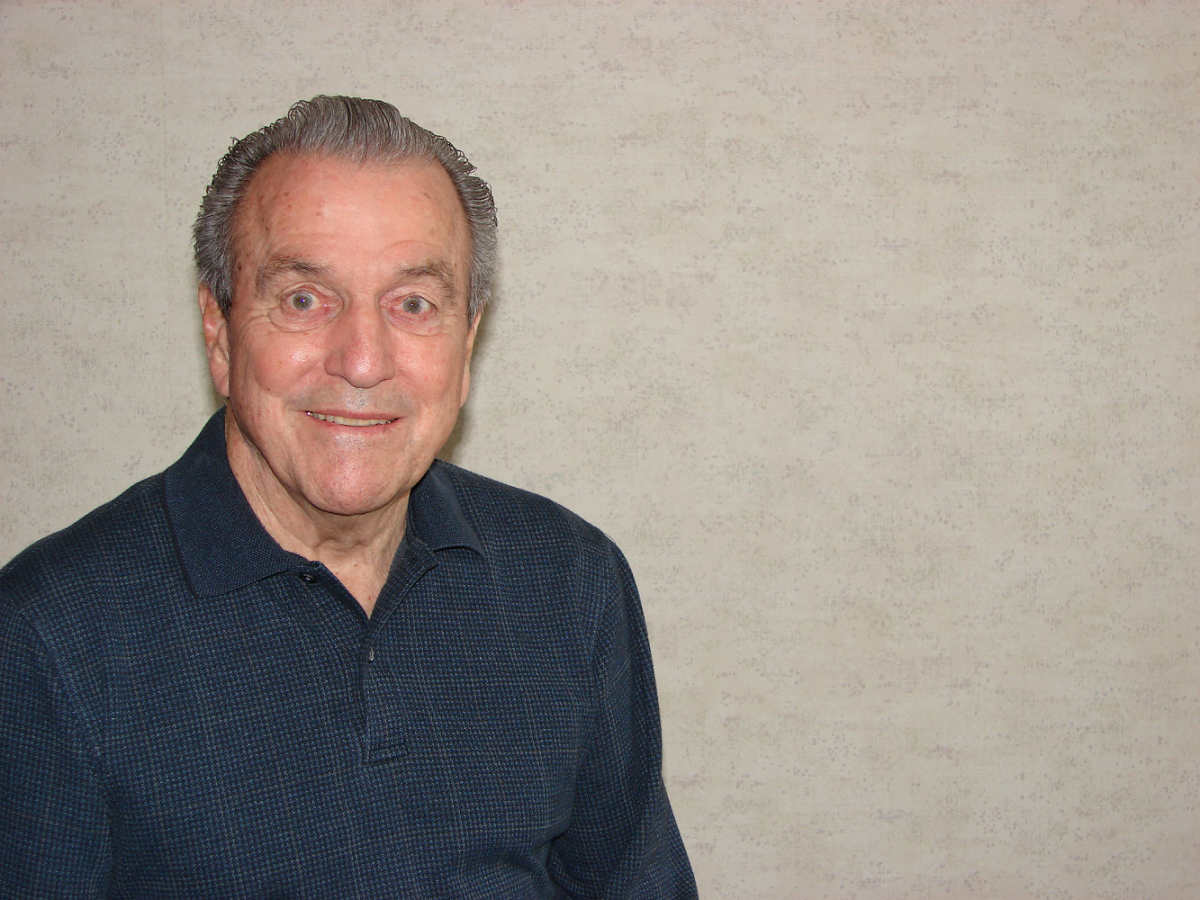
Lloyd H. Truax was born on May 18, 1925, in Rochester, Minnesota. Raised during the Great Depression, he developed a strong sense of resolve, discipline, and work ethic that would guide him throughout his life.
1942-1945 | World War II: Service & Survival
At 17, Lloyd lied about his age to join the U.S. Army Air Corps following the attack on Pearl Harbor. As a navigator on a B-24 bomber flying the treacherous air route over the Himalayas known as “The Hump,” his crew was forced to crash-land in a rice paddy in China after engine failure. Miraculously, all ten crew members survived.
A rural Chinese village, risking their lives, protected and nursed the men back to health despite Japanese rewards for turning them in. During his time there, Lloyd observed the ancient practice of foot binding — a cultural belief that beauty was tied to smaller feet. He saw how consistent, gentle pressure could guide bone growth over time. This realization would shape his future philosophy in orthodontics.
1946-1955 | Education & Orthodontic Vision
Upon returning from the war, Lloyd pursued dentistry at the University of Minnesota and later earned a master’s degree in orthodontics. He became a Diplomate of the American Board of Orthodontics and joined the Mayo Clinic as its first orthodontist.
At the time, the standard practice for creating space in orthodontics was surgical tooth extraction. But Truax, inspired by what he had witnessed in China, believed there was a better way: that bone could be guided, not removed, using gentle, sustained pressure.
1958-1975 | Practice & the Birth of Tru-Tain
Beginning in 1958 and continuing over a four-year period, Dr. Truax collaborated with Dr. Tony Lund to develop the foundational principles of tooth guidance, interceptive treatment, and treatment timing. These concepts challenged conventional orthodontic methods. Their methods led to tooth removal in fewer than 4% of cases.
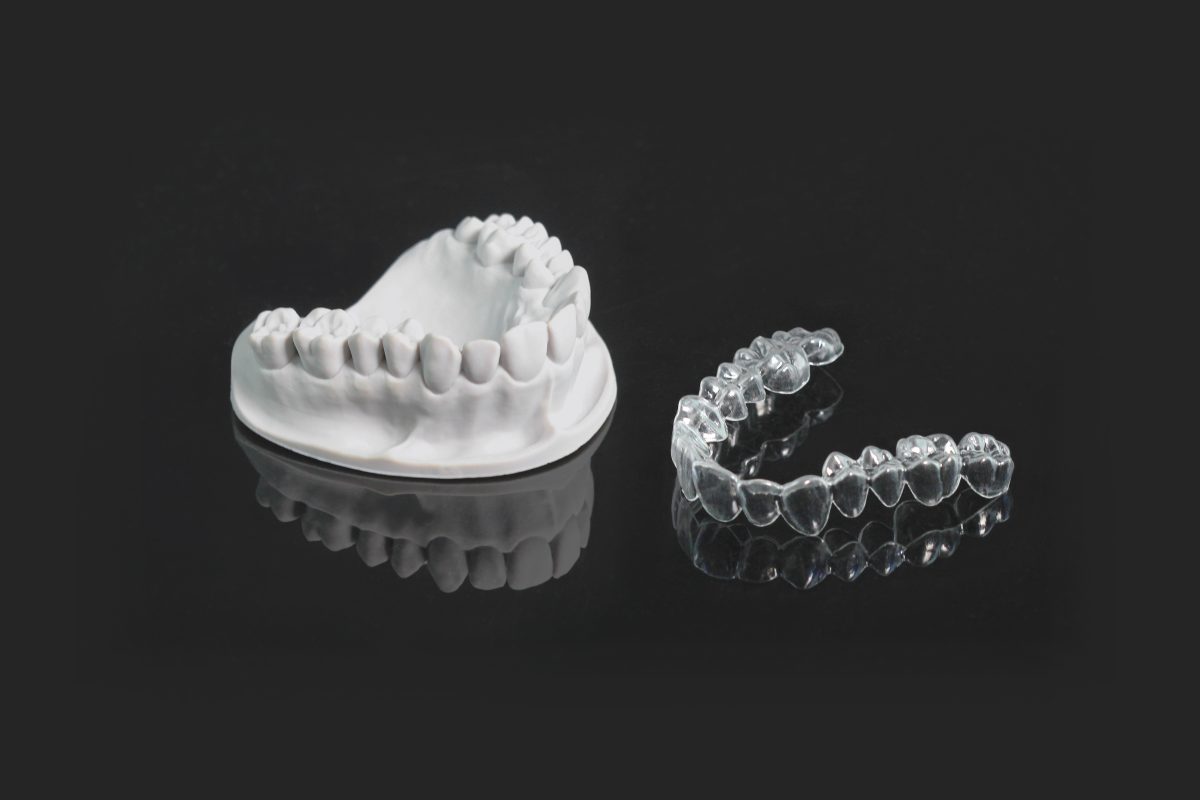
In 1960, Dr. Truax opened a private practice in Rochester, MN. Over the next decade, he began developing a clear, vacuum-formed retainer using a thin thermoplastic material — lightweight, durable, and nearly invisible.
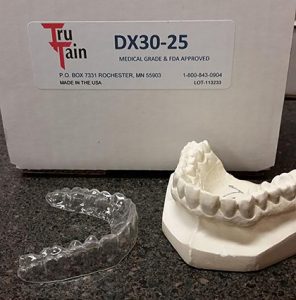
By 1975, after placing over 1,500 test retainers, the product was ready. His wife, Beverly Truax, named it “Tru-Tain” — short for “Truax Retainer.”
Dr. Truax was among the first to discover that these appliances could do more than retain teeth; they could move them. He began using Tru-Tain devices to guide minor tooth corrections well before anyone else formalized the concept.
1975-1981 | The Evolution into a Business
Tru-Tain began not as a commercial product company but as an educational extension of Dr. Truax’s practice. As his forward-thinking peers began to recognize the benefits of these new clear appliances, many turned to Dr. Truax for help sourcing reliable, medical-grade plastic polymers. What started as a clinical innovation evolved into a supply company that supported orthodontists around the world.
In 1981, Dr. Truax’s son, Kevin Truax, joined the business. This allowed Dr. Truax to continue focusing on patient care in his private practice with full energy and focus.
1986 | STARS: Sequential Treatment Before Invisalign®
In collaboration with Dr. Michael Rains, Dr. Truax launched the STARS system (Serial Truax Appliance, Rains System). It consisted of a series of removable, clear appliances designed to move teeth progressively. The system included innovative attachments and anchorage methods for improved control.
STARS was one of the earliest true clear aligner systems, launched more than a decade before Invisalign’s debut. Truax didn’t just observe that teeth could be moved with clear plastics — he formalized it into a scalable clinical system.
1990s-2000s | Industry Recognition and Influence
Tru-Tain gained international traction, with the clear retainer becoming an industry standard.
When Align Technology filed its patent for Invisalign® (U.S. Patent No. 5,975,893), it specifically named Tru-Tain material as the preferred thermoplastic. This acknowledgment not only validated Tru-Tain’s clinical utility but confirmed its foundational influence on the clear aligner movement.
In the patent litigation Ormco v. Align, the courts recognized elements of Truax’s work as prior art, undermining Invisalign’s® claims of innovation. His systems of sequential delivery, tooth movement, and clear retention were all in use long before.
In 1990, Dr. Charles Praska joined Dr. Lloyd Truax’s orthodontic practice in Rochester, Minnesota. The two practiced together for 17 years, forming a respected and collaborative team until Dr. Truax’s retirement in 2007 at the age of 82.
2015 | A Life Remembered
Dr. Lloyd Truax passed away on December 9, 2015, at age 90. He left behind a legacy of compassion, vision, and innovation that reshaped modern orthodontics.
2015-Present | Legacy & Leadership
In 2017, Kevin’s son Ryan Truax joined Tru-Tain, becoming the third generation of Truax leadership. He was appointed CEO in 2025 after Kevin’s retirement. According to family lore, Ryan technically made his first sale at just six months old, when a female doctor at a Vancouver convention was drawn to the Tru-Tain booth — more specifically, to the baby in the stroller — and left with a vacuum thermal forming machine.
Today, Ryan leads Tru-Tain with the same spirit of thoughtful innovation. Under his leadership, the company continues to serve the global orthodontic community and has even initiated Environmental, Social, and Governance (ESG) efforts, including reforestation through native tree planting and partnering with Tiny Changes to support their aligner/retainer recycling program. A commitment to environmental responsibility rooted in the same philosophy of care that Dr. Truax championed.
Tru-Tain’s legacy is one of vision, perseverance, and human-centered care — a true family story woven into the evolution of an entire industry.