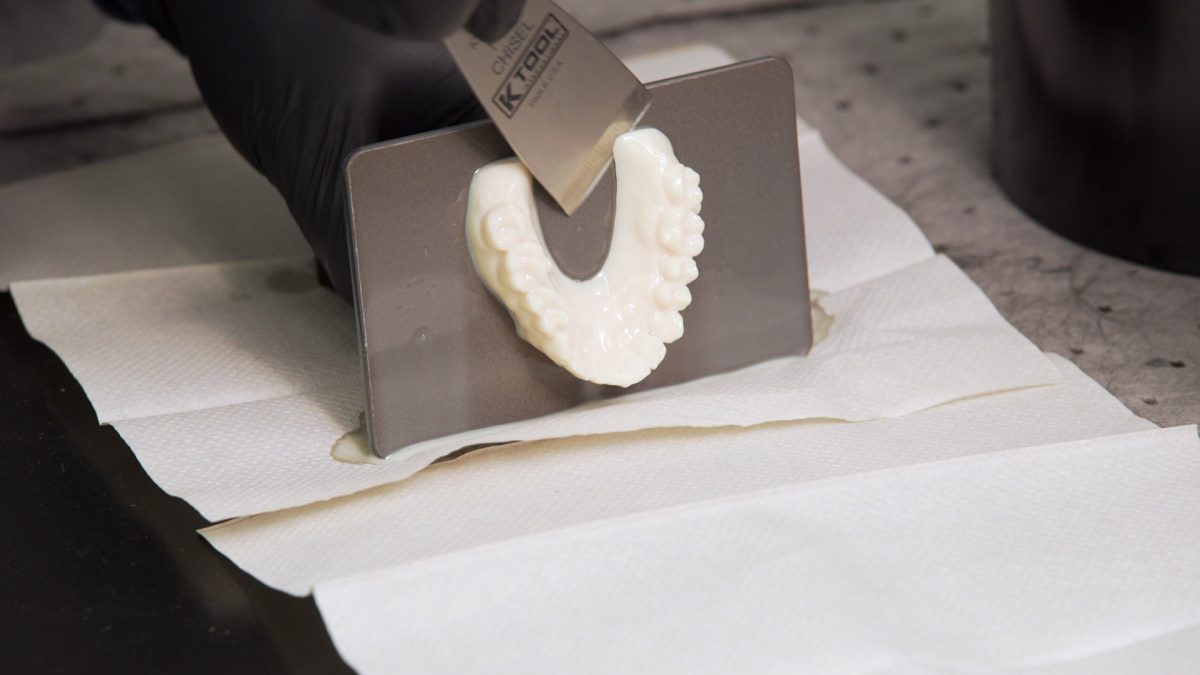
Unlocking Efficiency and Precision with KeyGuide by Tru-Tain: A Comprehensive User Guide

In the fast-paced world of dentistry, staying updated with the latest advancements and tools is crucial to ensure both patient satisfaction and practitioner efficiency. Tru-Tain, a renowned name in the dental industry, has recently introduced a groundbreaking innovation that promises to revolutionize the way dentists work – the KeyGuide system. In this comprehensive guide, we’ll delve deep into what the KeyGuide system is, how it works, and why it’s a game-changer for dental professionals. Whether you’re a seasoned dentist looking to upgrade your practice or a dental student eager to learn about the latest technologies, this blog post will provide you with valuable insights.

Chapter 1: Understanding the KeyGuide System

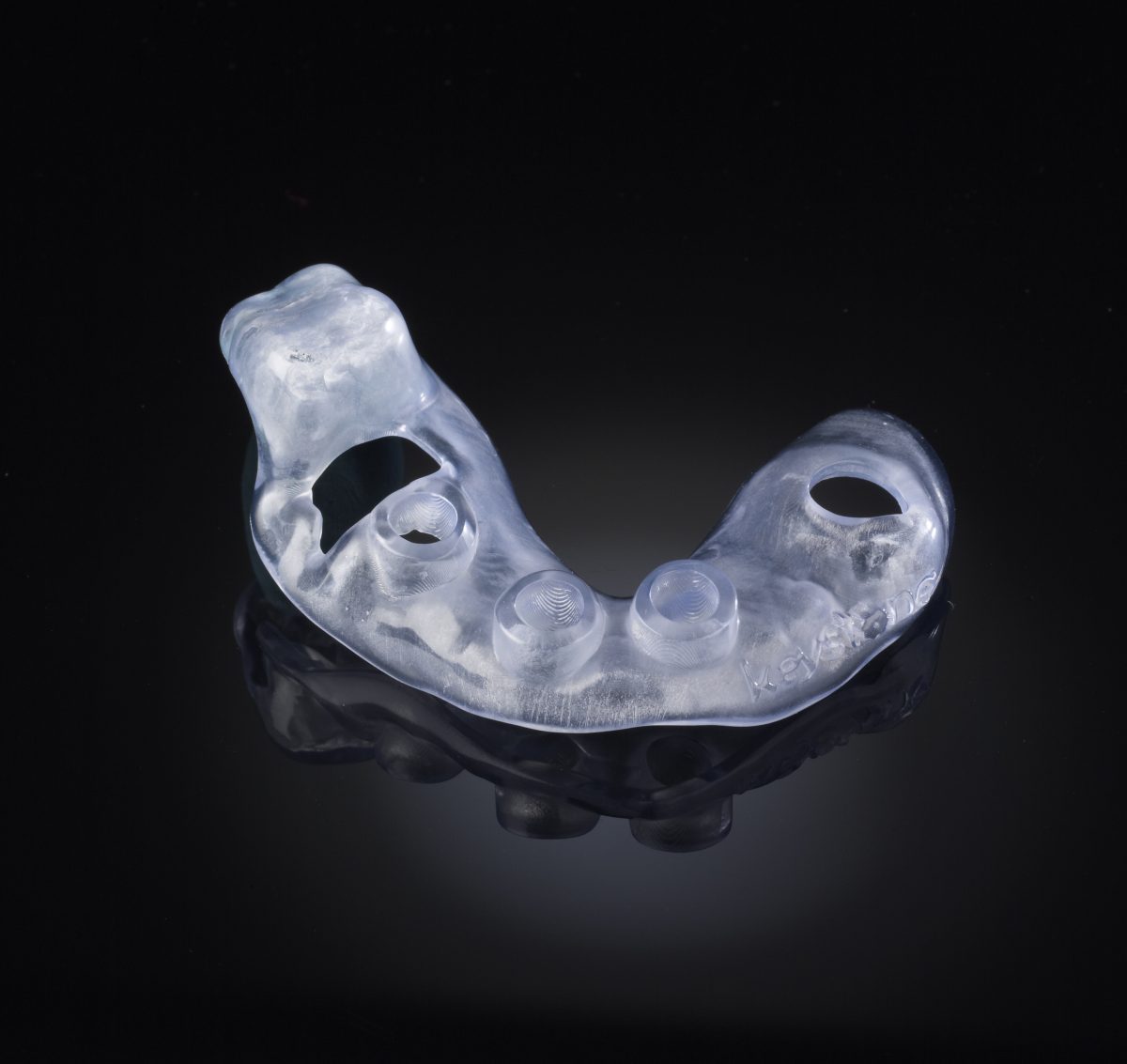
The KeyGuide system, developed by Tru-Tain, is a cutting-edge dental solution designed to enhance the precision and efficiency of various dental procedures, particularly in the realm of crown and bridge restorations. This advanced technology leverages the power of 3D printing and computer-aided design (CAD) to create highly accurate and customized surgical guides for dental practitioners.

Chapter 2: How Does the KeyGuide System Work?

At the heart of the KeyGuide system lies its seamless integration of digital workflows. The process begins with a thorough intraoral scan of the patient’s oral cavity using advanced digital impression systems. This scan is then fed into the KeyGuide software, where the dentist can plan the placement of implants, crowns, or bridges with unparalleled accuracy.

The software utilizes the scan data to create a virtual model of the patient’s dentition, allowing the dentist to virtually “try on” various restoration options. This digital planning phase ensures optimal aesthetics, functionality, and occlusion. Once the plan is finalized, the software generates a 3D model of the surgical guide that will aid the dentist during the actual procedure.

Chapter 3: Advantages of the KeyGuide System

The KeyGuide system offers a multitude of benefits that make it a must-have tool in every modern dental practice:

  1. Precision and Accuracy: The system’s reliance on digital scans and CAD technology ensures that the surgical guides are tailored precisely to each patient’s unique anatomy. This results in improved clinical outcomes and reduces the margin of error.
  2. Time Efficiency: Traditional methods of creating surgical guides are often time-consuming and involve multiple steps. With the KeyGuide system, the entire process is streamlined, from digital planning to guide fabrication, significantly reducing chair time.
  3. Patient Comfort: The non-invasive nature of the digital impression process makes it more comfortable for patients, eliminating the discomfort often associated with conventional impressions.
  4. Enhanced Communication: The system promotes better communication between the dentist and the dental laboratory, leading to a more collaborative and efficient treatment process.
  5. Predictable Outcomes: Thanks to the advanced virtual planning capabilities, dentists can visualize the final result before even starting the procedure, ensuring a predictable and satisfactory outcome.

Chapter 4: Integrating KeyGuide into Your Practice

Incorporating the KeyGuide system into your dental practice requires a few essential steps:

  1. Invest in Training: Tru-Tain offers comprehensive training programs to familiarize dental professionals with the software and hardware components of the KeyGuide system.
  2. Upgrade Infrastructure: Ensure that your practice has the necessary equipment, such as intraoral scanners and 3D printers, to seamlessly integrate the system.
  3. Collaborate with Laboratories: Establish a strong working relationship with dental laboratories that can manufacture the surgical guides based on your digital plans.

Chapter 5: The Future of Dentistry with KeyGuide

As the dental industry continues to evolve, technology-driven solutions like the KeyGuide system are poised to reshape the way dentists approach treatment planning and execution. The potential for customization, accuracy, and time-saving offered by this system opens doors to even more innovative advancements in the field.

Tru-Tain’s KeyGuide system is a groundbreaking innovation that underscores the transformative potential of technology in dentistry. By combining 3D printing, CAD technology, and digital workflows, the KeyGuide system empowers dentists to achieve unprecedented levels of precision, efficiency, and patient satisfaction. As the dental landscape continues to evolve, embracing such innovative solutions will undoubtedly be a pivotal step towards staying at the forefront of modern dentistry.
The Definitive Guide to the Importance of Wearing Custom Mouth Guards in Contact Sports

Contact sports have always held a special place in our hearts, symbolizing teamwork, dedication, and the pursuit of excellence. However, alongside the adrenaline rush and camaraderie, these sports also bring an inherent risk of injury. From broken bones to concussions, athletes face various dangers on the field. One often overlooked aspect of protection is the mouth guard, a small yet crucial piece of equipment that can significantly impact an athlete’s safety. In this comprehensive guide, we delve into the world of custom mouth guards and explore their immense importance in contact sports.

Understanding the Significance of Mouth Guards

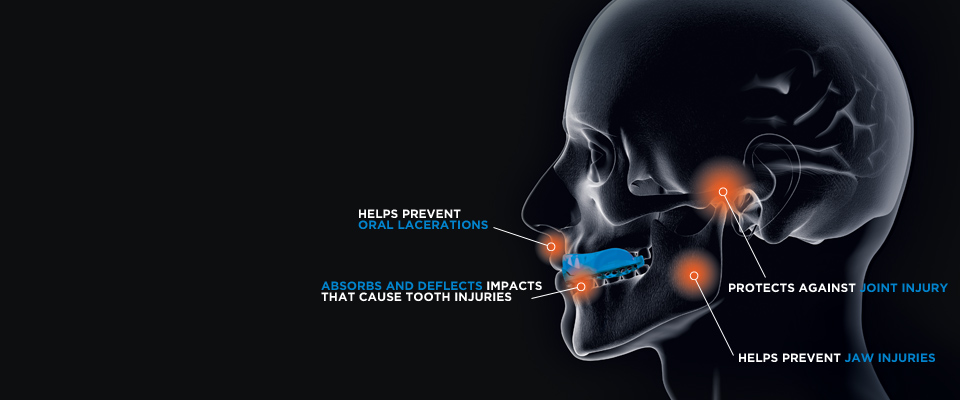
Imagine a football player charging down the field, a boxer throwing a powerful punch, or a hockey player engaging in a fierce battle for the puck. In these intense moments, a single blow to the face can lead to devastating dental injuries. Custom mouth guards offer a vital layer of protection, effectively cushioning impacts and reducing the risk of dental trauma, fractures, and soft tissue injuries.

Differentiating Between Custom and Store-Bought Mouth Guards

While store-bought mouth guards are readily available, they often fall short in terms of protection and comfort. Custom mouth guards, on the other hand, are designed to fit an individual athlete’s mouth precisely. Dental professionals take impressions of the athlete’s teeth, crafting a mouth guard that offers optimal coverage and fit. This tailored approach not only enhances protection but also ensures comfort and ease of breathing during gameplay.

Preserving Dental Health

A chipped tooth or a broken jaw can have far-reaching consequences beyond the immediate pain and discomfort. Dental injuries can lead to extensive dental procedures, impacting an athlete’s performance and overall well-being. Custom mouth guards act as a safeguard against these potential injuries, preventing costly dental treatments and preserving an athlete’s oral health.

Protecting Against Concussions

The link between dental injuries and concussions is an area of growing research. A properly fitted mouth guard can help mitigate the forces that travel through the jaw during impacts, reducing the risk of concussions. While mouth guards alone cannot entirely prevent concussions, they do play a role in minimizing their severity and frequency.

Enhancing Performance and Focus

It’s no secret that comfort plays a significant role in an athlete’s performance. Ill-fitting mouth guards can cause discomfort, leading to distraction and decreased focus during crucial moments. Custom mouth guards eliminate these distractions, allowing athletes to concentrate fully on their game. Furthermore, the confidence gained from knowing they’re well-protected can boost an athlete’s performance on the field.

Compliance and Longevity

One common issue with store-bought mouth guards is their tendency to wear out quickly or become chewed up, rendering them ineffective. Custom mouth guards are built to last, ensuring consistent protection over time. Athletes are also more likely to wear custom mouth guards consistently due to their comfort and superior fit, thus reaping the benefits of consistent protection.

A Wise Investment in Long-Term Health

While the initial cost of a custom mouth guard may seem higher than that of a store-bought option, it’s crucial to consider the long-term benefits. Dental injuries can result in astronomical costs for treatment, and the impact on an athlete’s overall health and well-being is immeasurable. Investing in a custom mouth guard is an investment in an athlete’s safety, dental health, and long-term performance.

In the realm of contact sports, safeguarding an athlete’s well-being should always take precedence. Custom mouth guards offer a potent combination of protection, comfort, and performance enhancement that is unparalleled. From reducing the risk of dental injuries and concussions to boosting an athlete’s focus and confidence, the importance of wearing custom mouth guards cannot be overstated. As athletes continue to push their limits on the field, let’s ensure they’re equipped with the best possible defense – a custom mouth guard tailored to their unique needs.

Pioneering the Future of Aligner Materials

Introducing Tru-Tain DX: Pioneering the Future of Aligner Materials

In the ever-evolving field of orthodontics, advancements in technology continue to revolutionize the way we approach teeth straightening. Among the remarkable innovations, Tru-Tain DX stands tall as the ultimate aligner material, meticulously crafted with precision and innovation. Boasting unparalleled characteristics, this groundbreaking material is set to redefine the orthodontic experience, bringing smiles to perfection like never before.

The Quest for Perfection: Unraveling Tru-Tain DX

At the core of Tru-Tain DX lies its exceptional composition. Made from Polycyclohexylenedimethylene Terephthalate Glycol-modified (PCTG), a state-of-the-art polymer, it embodies the culmination of meticulous research and technological advancements. PCTG brings together the best of both worlds – the strength and durability of traditional materials with the modern marvel of glycol modification. This fusion results in a material that surpasses the limitations of conventional aligners.

Clarity Beyond Compare

One of the standout features of Tru-Tain DX is its unmatched clarity. Traditional aligner materials often suffer from discoloration and cloudiness, diminishing their aesthetic appeal. Tru-Tain DX, however, maintains its pristine clarity throughout the entire treatment period, providing patients with confidence in their smiles. The crystal-clear appearance ensures that wearers can confidently navigate their social and professional lives without any self-consciousness about their orthodontic appliances.

Flexibility with No Compromise

Another remarkable aspect of Tru-Tain DX is its flexibility. The material’s superior elasticity ensures a gentle and comfortable fit over the teeth, making it a perfect choice for patients seeking a seamless orthodontic journey. Tru-Tain DX aligners gently adapt to the contours of each individual’s teeth, reducing discomfort and avoiding unnecessary irritation.

Stain Resistance for Long-lasting Brilliance

While undergoing orthodontic treatment, patients often face challenges in maintaining the cleanliness and brilliance of their aligners. Tru-Tain DX tackles this concern head-on with its exceptional stain resistance. Thanks to its advanced formulation, the material repels common stains caused by daily activities such as drinking coffee, tea, or other pigmented beverages. As a result, Tru-Tain DX aligners remain transparent and unblemished, contributing to the overall effectiveness and aesthetics of the treatment.

The Comfortable Path to Perfection

Perhaps the most significant advantage of Tru-Tain DX lies in the comfort it offers during treatment. Orthodontic treatments often come with the perception of discomfort, discouraging some individuals from seeking the smile they desire. Tru-Tain DX changes this narrative by providing an unparalleled level of comfort. Wearers will experience minimal interference with their daily routines, allowing them to go about their lives without disruptions. This comfortable path to perfection makes the journey more enjoyable and rewarding for both patients and practitioners.

The Future is Now

With Tru-Tain DX, orthodontics enters a new era of possibilities. Its extraordinary combination of durability, clarity, flexibility, and stain resistance sets it apart as the ultimate aligner material of choice. Gone are the days of compromising on aesthetics, comfort, and results. Tru-Tain DX paves the way for a future where orthodontic treatment becomes a seamless, hassle-free, and confidence-boosting experience.

Experience Tru-Tain DX Today

For those seeking the future of orthodontic aligner materials, the answer is clear – Tru-Tain DX. Step into a world of clarity, comfort, and confidence as you embark on your journey towards a perfect smile. Embrace the innovation that awaits and experience the unparalleled benefits of Tru-Tain DX, where cutting-edge technology meets orthodontic excellence. The future is here; embrace it today!

The Dangers of Mail Order Orthodontics: Why It’s a Risky Impulse Buy

Impulse buying can sometimes lead to regrettable purchases, especially when it comes to certain unconventional items like mail-order orthodontics, hot air balloon kits, or do-it-yourself in-ground pools. In a captivating game show called “Impulse Buy,” a contestant faced the challenge of selecting the worst impulse buy among these options. Surprisingly, the contestant made the right choice by highlighting the risks associated with mail-order orthodontics and emphasizing the importance of seeking treatment from an American Association of Orthodontists (AAO) orthodontist. This video sheds light on the dangers of mail-order orthodontics and underscores the significance of consulting a trained professional for orthodontic treatment.

The Temptation of Mail-Order Orthodontics

At first glance, mail-order orthodontic treatment may seem like a dream come true. The allure of convenience, affordability, and the absence of in-person visits to orthodontists or dentists makes it appear almost too good to be true. Advertisements and social media posts often play up these appealing aspects. However, the reality is far more complex and raises concerns about the safety and effectiveness of such treatments.

The Complex Nature of Orthodontic Treatment

Orthodontic treatment is not merely a cosmetic endeavor. Moving teeth is a medical procedure that relies on intricate biological processes. Proper monitoring by a trained dental professional is crucial for ensuring the success and safety of the treatment. A few key points highlight the importance of professional supervision in orthodontics:

  1. Biological Processes: Teeth are moved through the application of pressure from orthodontic appliances such as clear aligners or braces. This pressure causes necrosis, or death, of the supporting structures around the teeth. It allows the teeth to move within their bone sockets, with bone subsequently reforming around the teeth. This delicate process requires professional oversight to avoid complications.
  2. Consequences of Front Teeth Alignment: Many mail-order orthodontic companies promote the idea of straightening only the front teeth as a purely cosmetic procedure. However, this approach can have severe consequences on oral function and overall health. Studies have shown that moving only the front teeth can lead to unintended complications such as open bite, where the back teeth fail to come together properly. Open bite is considered one of the most severe misalignments, and it can impair a patient’s ability to chew food effectively.

The Importance of In-Person Evaluations

Certain essential aspects of orthodontic treatment can only be performed in-person. These evaluations are not mere inconveniences but critical steps to ensure the safety and effectiveness of the treatment. Some examples include:

  1. X-Rays: In-person visits are necessary for taking x-rays, which allow orthodontists to see beneath the gums. Unlike digital scans and photographs used by mail-order companies, x-rays provide a comprehensive view, enabling professionals to assess the health of tooth roots and detect any impacted or unerupted teeth. Without this vital information, moving teeth with underlying issues can lead to loosening or loss of teeth.
  2. Periodontal Health Assessment: Straightening teeth without evaluating the patient’s periodontal (gum) health can have adverse effects, such as gum recession, root shortening, or tooth loss. Assessing gum health requires in-person evaluation, including periodontal probing to measure the depth of root pockets using a dental probe.

The Irreplaceable Role of In-Person Care

Orthodontists and dentists play an irreplaceable role in orthodontic treatment through careful clinical in-person evaluation. Experts emphasize that digital photographs can never substitute for the comprehensive assessment provided by a trained professional. In-person care remains the cornerstone of orthodontic treatment, ensuring patients receive the most effective and safe treatment possible.

Taking Teeth Seriously

While game shows can be entertaining, it is essential never to gamble with your teeth. Impulse buying may lead to regrettable purchases, particularly when it comes to mail-order orthodontics. The risks associated with unsupervised orthodontic treatment outweigh the perceived convenience and affordability. Seeking treatment from an AAO orthodontist guarantees proper monitoring, professional evaluation, and ultimately, the best outcome for your oral health.

Get Ahead of the Game: How Early Orthodontic Care Can Save You Time and Money

Getting ahead of orthodontic health is just like managing laundry, it’s much easier when you stay on top of it. Just as you wouldn’t skip a check-up at the pediatrician, you shouldn’t skip an early visit to the orthodontist either. A visit to the orthodontist before the age of 7 can help maintain your child’s oral health and potentially prevent more invasive or costly treatments later in life.

By visiting an orthodontist early, your child may be a good candidate for a palatal expander, which can make the upper jaw wider and reduce crowding in abnormally narrow arches. Ideally, this procedure is performed while the patient is still growing, as the expansion occurs when the growth plate or suture in the middle of the palate is stretched, and the two halves are pushed apart. Early palatal expansion may also reduce the need for extractions or prevent impacted teeth, which if left untreated may require surgery in adulthood and cause abnormal wear or bite problems.

Sometimes, a short time in braces can correct problems early on to prevent more significant issues later. This is known as early interceptive treatment, which can be used to correct anterior crossbites, for example. In some cases, removing baby or impacted teeth can encourage permanent teeth to emerge better and closer to their ideal position, even without orthodontic appliances. Your orthodontist will suggest the best time for extractions to take advantage of your child’s growth and development.

It’s important to note that not all early visits result in orthodontic treatment. Your child’s first appointment with the orthodontist could result in one of three things: no need for treatment at that time, future treatment that requires periodic monitoring, or an existing problem that would benefit from early treatment. Most orthodontists offer free consultations, so it’s essential to take advantage of this and make an appointment early on.

To achieve a healthy, beautiful smile at any age, it’s essential to trust an American Association of Orthodontists (AAO) orthodontist. Orthodontists are experts in orthodontics and dentofacial orthopedics, which is the proper alignment of teeth and jaws. They possess the necessary skills and experience to give you your best smile. You can find an orthodontist near you by visiting aaoinfo.org/locator.

The First Clear Retainer

Orthodontic treatment has come a long way in the past few decades, with innovations and advancements in technology and materials allowing for more comfortable and efficient orthodontic appliances. One of these advancements was the invention of the clear orthodontic retainer, which has become a popular alternative to traditional metal braces. The first clear orthodontic retainer was patented by Dr. Lloyd Truax in the 1970s, and it revolutionized the field of orthodontics.

Before the invention of the clear orthodontic retainer, patients had to wear metal braces for several years to achieve straight teeth. While metal braces were effective, they had several downsides, including discomfort, difficulty eating certain foods, and difficulty keeping teeth clean. In addition, metal braces were highly visible, which could be embarrassing for some patients.

Dr. Truax recognized these issues and set out to create an alternative to traditional braces that was more comfortable, less visible, and easier to maintain. He developed the first clear orthodontic retainer, which was made of a clear plastic material that was custom-molded to fit each patient’s teeth. The retainer was designed to be worn over the teeth, similar to a mouthguard, and it applied gentle pressure to shift the teeth into the desired position.

Dr. Truax’s invention was a game-changer for orthodontic patients, as it offered several benefits over traditional braces. Firstly, the clear plastic material was much more comfortable to wear than metal brackets and wires. Secondly, the retainer was virtually invisible, making it a great option for patients who didn’t want to draw attention to their orthodontic treatment. Thirdly, the retainer could be removed for eating, making it much easier to maintain good oral hygiene.

Dr. Truax’s clear orthodontic retainer was patented in the 1970s, and it quickly gained popularity among orthodontic patients. Since then, there have been many advancements in clear orthodontic retainers, with new materials and designs making them even more comfortable, effective, and convenient for patients. Today, clear orthodontic retainers are a popular alternative to traditional braces, and they have helped millions of people achieve beautiful, straight smiles.

In conclusion, Dr. Lloyd Truax’s invention of the clear orthodontic retainer in the 1970s was a significant advancement in the field of orthodontics. His invention offered patients a more comfortable, convenient, and discreet option for straightening their teeth, and it paved the way for many other innovations in clear orthodontic appliances. Thanks to Dr. Truax’s invention, orthodontic treatment has become more accessible and more comfortable for patients, and it continues to evolve and improve to this day.

Tru-Tain DX

Orthodontic treatments have come a long way over the years, with advancements in technology and materials allowing for more precise and effective treatment options. One such material that has gained popularity in recent years is Tru-Tain DX aligner material. In this blog post, we will explore what Tru-Tain DX aligner material is, how it works, and its benefits.

What is Tru-Tain DX Aligner Material?

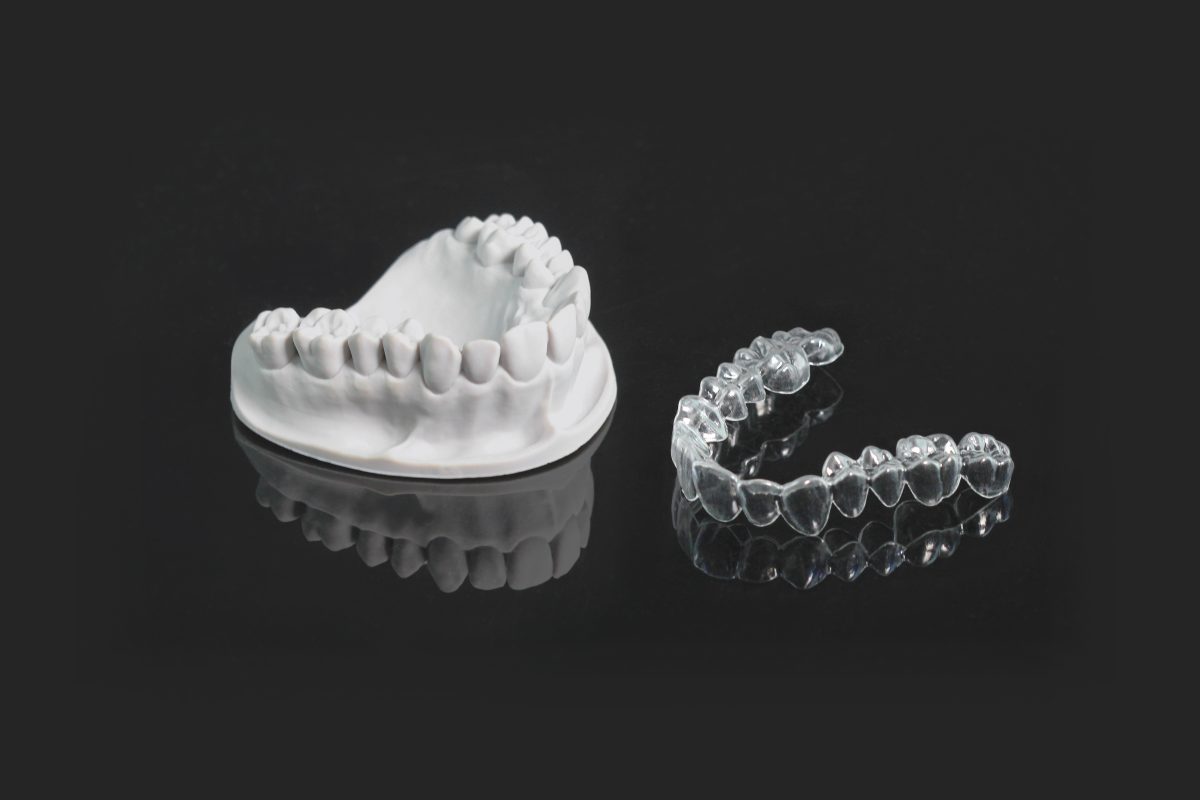
Tru-Tain DX aligner material is a thermoplastic material used in the fabrication of clear aligners. This material is a patented blend of Poly Cyclohexylenedimethylene Terephthalate glycol, which offers several benefits over traditional aligner materials.

The material is clear and durable, making it ideal for creating invisible aligners that are comfortable to wear. It also has a high degree of elasticity, which allows it to flex and adapt to the shape of the teeth, providing a snug and secure fit.

How Does Tru-Tain DX Aligner Material Work?

Tru-Tain DX aligner material works by applying gentle and consistent pressure on the teeth, which gradually shifts them into the desired position. This pressure is applied through the use of custom-made aligners, which are created using advanced 3D scanning and printing technologies.

The aligners are designed to fit snugly over the teeth, applying a controlled force that gently moves the teeth into the desired position. As the teeth move, the aligners are replaced with new ones, each one slightly adjusted to continue the progression of the treatment.

What are the Benefits of Tru-Tain DX Aligner Material?

Tru-Tain DX aligner material offers several benefits over traditional aligner materials, including:

  1. Comfort: Tru-Tain DX aligner material is soft and pliable, making it comfortable to wear for extended periods. The material conforms to the shape of the teeth, reducing the risk of irritation and discomfort.
  2. Durability: Tru-Tain DX aligner material is highly durable, making it resistant to cracking, tearing, and breaking. This means that the aligners can withstand the daily wear and tear of everyday use, ensuring that they last throughout the treatment period.
  3. Clarity: Tru-Tain DX aligner material is virtually invisible, making it an ideal choice for patients who are self-conscious about wearing braces. The material does not stain or yellow over time, ensuring that the aligners remain clear throughout the treatment period.
  4. Precision: Tru-Tain DX aligner material is highly precise, ensuring that the aligners fit snugly and apply a consistent force on the teeth. This precision results in faster and more predictable treatment outcomes.
  5. Efficiency: Tru-Tain DX aligner material allows for more efficient treatment times, as the material is designed to move the teeth more quickly and effectively than traditional aligner materials. This means that patients can achieve their desired results in a shorter period, reducing the overall treatment time.

Tru-Tain DX aligner material is an advanced orthodontic material that offers several benefits over traditional aligner materials. The material is comfortable, durable, clear, precise, and efficient, making it an ideal choice for patients seeking a discreet and effective orthodontic treatment option.

If you are considering orthodontic treatment and would like to learn more about Tru-Tain DX aligner material, speak to your orthodontist or dentist to see if this material is right for you.

Orthodontic Retainers

Orthodontic retainers are a common dental appliance that is used to keep your teeth in place after completing orthodontic treatment.

Orthodontic retainers are a common dental appliance that is used to keep your teeth in place after completing orthodontic treatment. While braces or aligners straighten your teeth, retainers help maintain that alignment and prevent your teeth from shifting back to their original positions.

Types of Retainers:

There are two primary types of retainers: removable and fixed.

Removable retainers are made of a clear plastic or acrylic material that fits over your teeth. They are easy to clean and can be removed for eating, brushing, and flossing. Removable retainers are typically worn full-time for the first few months after orthodontic treatment and then gradually phased out to only wearing at night or a few times per week. There are also clear removable retainers that look like an Invisalign aligner, and can be worn throughout the day, only removing it for meals and cleaning.

Fixed retainers, on the other hand, are cemented to the back of your teeth and cannot be removed. They are typically made of a thin wire that is bonded to the lingual (tongue-side) surface of your teeth. Fixed retainers are usually used for the lower front teeth and are considered the more long-term option since they require less patient compliance and more durable than a removable retainer.

Benefits of Retainers:

The main benefit of retainers is that they help maintain the alignment of your teeth after orthodontic treatment. Teeth have a natural tendency to shift back to their original positions, so retainers are essential for keeping the results of your orthodontic treatment in place. Retainers also help improve your bite and reduce the risk of dental problems like tooth decay and gum disease.

Another advantage of retainers is that they are relatively easy to care for. Removable retainers should be cleaned regularly with a toothbrush and mild soap, while fixed retainers only require normal brushing and flossing.

Conclusion:

Orthodontic retainers are an important dental appliance that help maintain the results of your orthodontic treatment. They come in two primary types, removable and fixed, and are relatively easy to care for. If you are finishing up your orthodontic treatment, your dentist or orthodontist will likely recommend a retainer to ensure your teeth remain straight and healthy. With proper care and regular checkups with your dental professional, retainers can help ensure a lifetime of happy, healthy smiles.

Orthodontic Aligners

Orthodontic aligners, which are a type of clear, removable braces used to straighten teeth, have been gaining popularity in recent years.

Orthodontic aligners, which are a type of clear, removable braces used to straighten teeth, have been gaining popularity in recent years.

One of the most significant developments in orthodontic aligners in recent years is the introduction of new materials that are more comfortable and effective. For example, some newer aligner materials can apply more targeted and precise pressure on specific teeth, leading to faster and more accurate results.

Another recent trend is the use of 3D printing technology to produce custom-fit aligners more efficiently and with greater precision. This technology allows for greater customization of aligners, leading to more effective and personalized treatment.

Additionally, there have been advancements in the technology used to create orthodontic aligners, which have led to the development of more advanced treatment planning software. This software allows orthodontists to create detailed treatment plans and predict the outcome of treatment with greater accuracy, leading to more effective and efficient treatment.

Overall, orthodontic aligners continue to evolve and improve, providing patients with a more comfortable, convenient, and effective alternative to traditional braces.

3D resins in orthodontics

The use of 3D printing technology and resins in orthodontics is a relatively new field that is constantly evolving.

The potential uses for 3D printing in orthodontics are vast, and the technology is rapidly becoming more accessible and affordable.

3D resins in orthodontics are becoming an increasingly popular choice for both patients and orthodontists. They are used to create 3D models of the teeth, which can then be used during orthodontic treatment.

These resins are available in a variety of different types, each with its own benefits.

3 types of 3D resins

3D resins are an important part of orthodontic treatment, providing a strong, durable bond between brackets and teeth. And, they are also used to create retainers, which hold teeth in their new position after braces are removed.

There are a variety of different 3D resins available, each with its own strengths and weaknesses.

Some 3D resins are better at bonding to teeth than others, while others may be more resistant to staining or breaking. It is important for orthodontists to select the right 3D resin for each patient’s needs.

1.  SLA resin

The first type of 3D resin is stereolithography (SLA) resin. SLA resin is made up of two components: a polymer and a catalyst. The polymer is mixed with the catalyst and then placed into a 3D printer.

The printer uses a laser beam to harden the polymer, creating a 3D model of the teeth. SLA resin is ideal for orthodontists because it produces high-quality 3D models that are accurate down to the micron.

2.  DLP resin

The second type of 3D resin is digital light processing (DLP) resin. DLP resin is made up of a polymer and a photosensitive compound. The photosensitive compound is mixed with the polymer and then placed into a 3D printer.

The printer uses a UV light to harden the polymer, creating a 3D model of the teeth. DLP resin is ideal for dental labs because it produces high-quality 3D models that are accurate down to the micron.

3.  LCD resin

The third type of 3D resin is liquid crystal display (LCD) resin. LCD resin is made up of a polymer and an LCD monomer. The LCD monomer is mixed with the polymer and then placed into a 3D printer.

The printer uses an LCD screen to harden the polymer, creating a 3D model of the teeth. LCD resin is ideal for dental labs because it produces high-quality 3D models that are accurate down to the micron.

Benefits of 3D resins for patients and orthodontists

3D resins have a number of benefits for both patients and orthodontists.

For patients, this offers a number of advantages over traditional methods of orthodontic treatment. 3D resins allow orthodontists to see the teeth in three dimensions, which makes it easier to diagnose and treat problems.

These resins also allow orthodontists to plan treatment more effectively and make more accurate predictions about the final outcome of treatment.

In addition, 3D resins can be used to create teeth replacements and dental implants.

For orthodontists, 3D resins offer a number of advantages over traditional methods of orthodontic treatment. They allow orthodontists to see the teeth in three dimensions, which makes it easier to diagnose and treat problems.

These resins also allow orthodontists to plan treatment more effectively and make more accurate predictions about the final outcome of treatment.

In addition, 3D resins can be used to create braces, retainers, and other orthodontic appliances.

3D resins are quickly becoming the standard for both diagnostics and treatment in orthodontics. They offer a number of advantages for both patients and orthodontists, and they are available in a variety of different types.

Orthodontists who want to stay ahead of the curve should start using 3D resins in their practice today.

Benefits of 3D printing in orthodontics

There are many benefits to using 3D printing in orthodontics. Three of the benefits are:

  • accurate diagnosis.
  • reduced chair time.
  • improved patient satisfaction.

3D printing technology has revolutionized the way orthodontists diagnose and treat patients. 3D printers can create a precise model of the patient’s teeth, which allows the orthodontist to see problems and plan treatment more accurately than ever before.

3D printing also reduces chair time, as many procedures that used to require multiple visits can now be done in one visit. This type of printing is also making orthodontics more affordable, as it allows for the creation of customized braces and dental appliances.

And finally, 3D printing results in improved patient satisfaction, as patients are able to see their own teeth transformed in real-time.

All of these benefits make 3D printing an essential tool for orthodontists, and it is sure to play an increasingly important role in the field of orthodontics in the years to come.

Diagnosing problems with 3D printing in orthodontics

One of the most important applications of 3D printing in orthodontics is the use of models to diagnose problems.

A model made with a 3D printer can be used to show the patient exactly what needs to be fixed and how it will look when corrected.

This allows the patient to have a much greater understanding of their treatment and makes them feel more involved in the process. In addition, it can help the orthodontist to diagnose problems that may be difficult to see on an X-ray.

Orthodontic concerns that can be diagnosed with 3D modelling

One common problem that can be diagnosed with a 3D model is overcrowding. In cases of overcrowding, the teeth are too close together and need to be spaced out. 3D printing can help to visualize this problem and plan treatment accordingly.

Another common issue that can be diagnosed with 3D printing is jaw malocclusion. Jaw malocclusion occurs when the upper and lower jaws do not fit together correctly. 3D printing can help to identify the cause of the malocclusion and plan treatment accordingly.

Overall, 3D printing is an invaluable tool for diagnosing problems in orthodontics. It allows the orthodontist to see things that may not be visible on an X-ray, and it helps to involve the patient in the treatment process.

3D printing is revolutionizing orthodontics and making it easier than ever to diagnose and treat problems.

3D printing retainers and braces

3D printing is also being used to create retainers and braces. Retainers can now be made specifically for each patient, which ensures a perfect fit and greater comfort.

In addition, braces can be printed in any shape or color, allowing patients to choose a style that they are happy with.

3D printing in orthodontics is still young

The use of 3D printing in orthodontics is still relatively new, so there are many opportunities for further research and development.

The potential uses for 3D printing in orthodontics are vast, and the technology is rapidly becoming more accessible and affordable. With continued research and development, 3D printing is sure to play an even larger role in orthodontics in the future.

3D resins from Tru-Tain

3D resins from Tru-Tain have many benefits for orthodontists and orthodontic labs.

The six reasons why you should choose Tru-Tain resins are:

  1. Accuracy.

The resin is highly accurate. This means it can be used to create models and molds that are an exact replica of the patient’s teeth. And the accuracy helps ensure that the orthodontic treatment will be successful.

  • Precision

The resin is also very precise. Which allows for extremely precise fitting of braces and other orthodontic devices. This precision helps to ensure a comfortable, accurate fit for the patient.

  • Strength

Incredibly strong resins mean they will last longer in your patients’ mouths. This also speaks to durability, and cost. Because the resins last longer, they time between replacements is longer. Provider further long-term value to patients.

  • Durability

It can withstand repeated use without breaking or becoming damaged. This durability ensures that the orthodontic devices created with the resin will last for the duration of the treatment.

  • Versatility

Our resins come in a variety of colors and styles, so you can find the perfect option for your needs.

  • Quality

We only offer the highest quality resins to our customers, so you can be sure you’re getting the best product available.

Our resins are precision-made, strong, and durable, making them the perfect choice for your patients’ teeth.

We know that finding the right 3D resin is important for your practice, which is why we offer a wide selection of products to choose from.

We also have a team of experts who are available to help you select the right resin for your needs and answer any questions you may have.

If you’re looking for a trusted supplier of 3D resins, Tru-Tain is the perfect choice. We offer quality products and excellent customer service, so you can be sure you’re getting the best products available.

Contact us today to learn more about our products and how they can benefit your practice!

SEO META DATA

Meta-title: 3D resins in orthodontics from Tru-Tain

Meta-description: If you are looking for high-quality resins for your orthodontic practice or lab, Tru-Tain offers a wide variety of 3D resins to suit you and your patients’ needs.